Criterion
-
Wet/greasy traction
-
Joints & hygiene
-
Comfort & impact
-
Maintenance
-
Installation speed
-
Best use
Safety Floors are slip‑resistant resilient surfaces engineered for wet, greasy or contaminant‑prone zones. They combine textured surfaces with embedded aggregates/particles to maintain traction under challenging conditions. Typical areas: commercial kitchens, ramps, service corridors, wet entries, food prep, back‑of‑house, locker rooms and accessible bathrooms (system‑dependent).
High grease and water exposure — target R11–R12 with heat/grease‑resistant adhesives.
Seasonal water ingress — pair R10–R11 safety floors with matting strategy at doors.
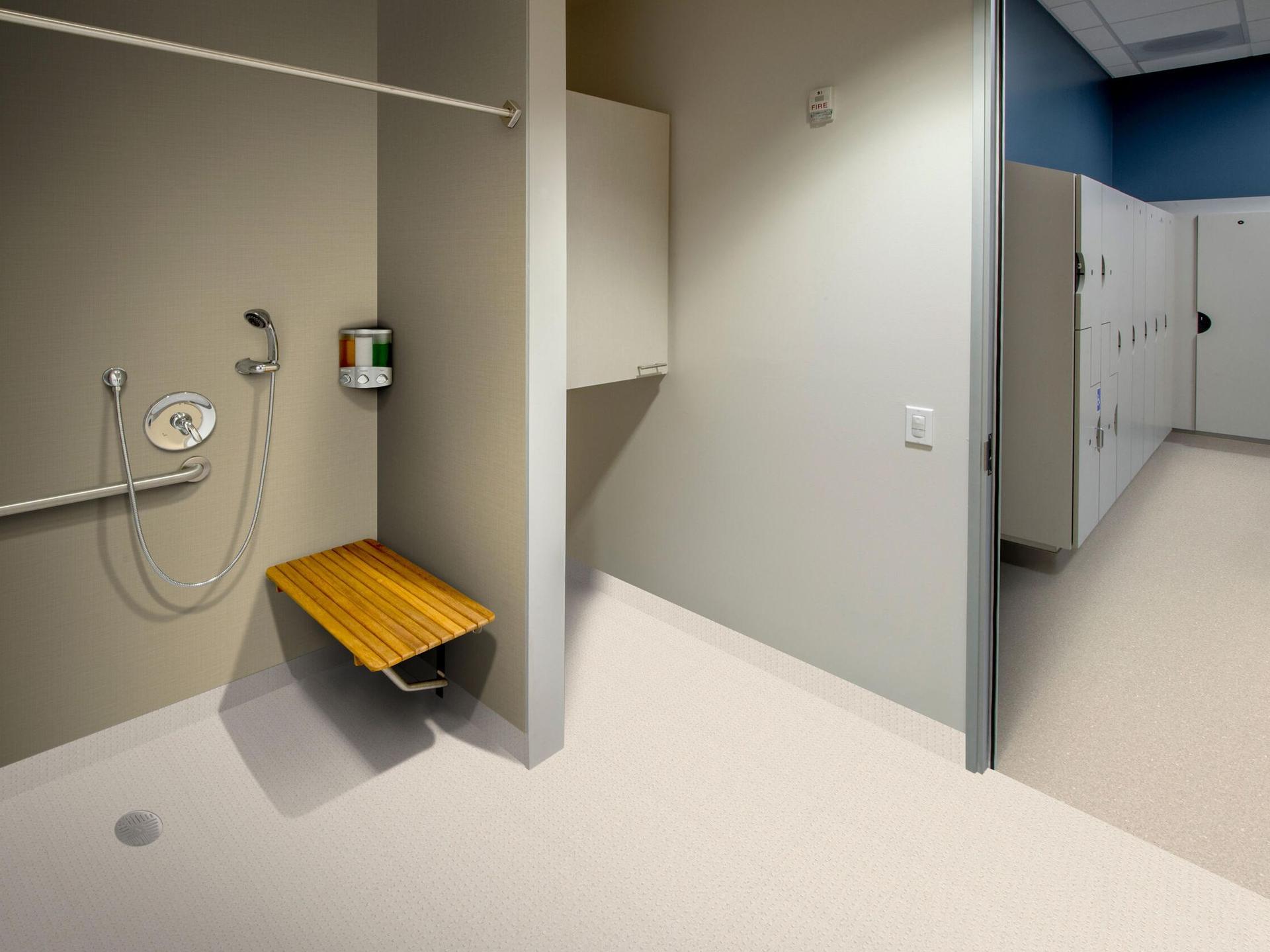
Accessible bathrooms and service kitchens benefit from slip control and coved wash‑down detailing.
Welded seams and coved upstands create hygienic wash‑down envelopes for daily cleaning.
Barefoot wet traction with particle‑enhanced surfaces and non‑abrasive textures.
Supply to distributors, contractors, developers, architects and facility owners with specs and samples.
Rule of thumb: use safety floors wherever wet, greasy or contaminant‑prone conditions are expected; smooth vinyl for dry commercial zones; tiles only where a mineral/tile spec is required.
Wet/greasy traction
Joints & hygiene
Comfort & impact
Maintenance
Installation speed
Best use
Highest (R10–R12)
Welded seams + coving
Resilient underfoot
Low OPEX (no grout)
Fast (sheet)
Kitchens, ramps, wet entries
Medium
Welded seams + coving
Resilient
Low
Fast
Classrooms, admin, wards
High (with structured tiles)
Grout lines (maintenance‑heavy)
Hard underfoot
Higher (grout sealing/cleaning)
Slower (tile setting/curing)
Front‑of‑house wet rooms, pools
Different operating environments demand different R‑ratings, adhesives and detail packages. Here is how to specify safety floors by sector — so your project meets code the first time.
Aim for R11–R12 ranges; ensure heat/grease‑resistant adhesives and steam‑clean compatible welding. Coved upstands and drain coordination are mandatory in wash‑down zones.
Accessible bathrooms and service kitchens benefit from slip control and coved wash‑down detailing. Use matte, low‑glare finishes to reduce reflections and support wayfinding.
Wet entries, ramps and canteen back‑of‑house — use safety floors; coordinate with matting strategy at doors to extend service life and limit grit migration.
Materials supply with optional professional installation. Or use your own contractor/installer.
Project rolls and accessories (welding rods, coving, corners, drains).
Stock vs made‑to‑order colours.
Datasheets, DoP/DoC, slip/fire tests, EPD on request.
Texture chips/boards.
Spec text, detail drawings, maintenance guides.
R-classes, barefoot ratings and wet zones in our commercial wet room flooring guide.
R11/R12 zones and EU 852/2004 hygiene rules in our commercial kitchen flooring guide.
Here you'll find answers to the most common questions about safety floors. If you don't see what you need, contact our team for project‑specific guidance.
Typically R11–R12; confirm with local code and your risk assessment.
Yes — choose wetroom‑approved safety floors with welded seams, coved upstands and compatible drains.
Use approved degreasers and mechanical scrubbers; textures are designed for cleanability when maintained correctly.
Some lines use micro‑texture without visible particles; verify test data for wet performance.
We focus on materials supply, but we also offer professional flooring installation. Alternatively, use your own appointed contractor.
Tarkett
Aqua Multisafe
Tarkett
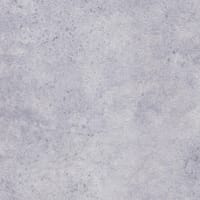
Granit Multisafe
Tarkett
Safetred Design Collection Acoustic
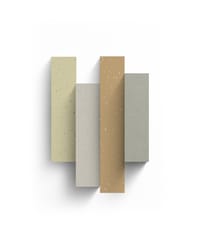
Tarkett
Safetred Harmony
Tarkett
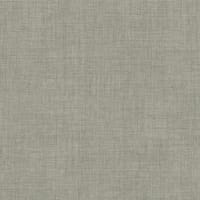
Safetred Ion Linen
Tarkett
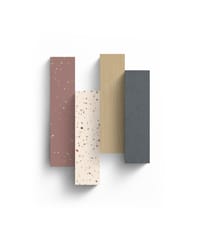
Safetred Mineral
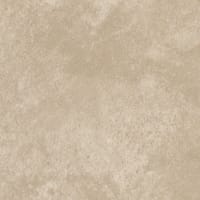
Tarkett
Safetred Natural
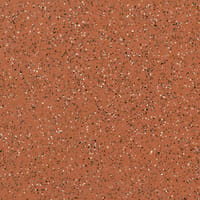
Tarkett
Safetred Rail
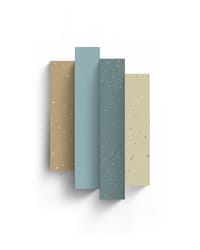
Tarkett
Safetred Serenity
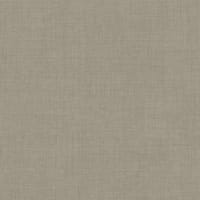
Tarkett
Safetred Sound
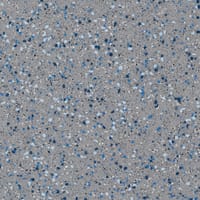
Tarkett
Safetred Spectrum

Tarkett
Safetred Universal
Tarkett
Safetred Universal Acoustic

Tarkett
Safetred Universal R11

Tarkett
Safetred Universal R12
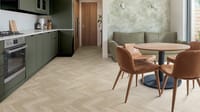
Tarkett
Safetred Wood