Use Case
-
Electronics assembly & test
-
Labs, pharmacies, healthcare
-
Server / IT & data spaces
Static control flooring is ESD (electrostatic-discharge) floor covering that safely bleeds static charge to earth through a defined resistance range, protecting sensitive electronics and reducing spark risk. It pairs a conductive or dissipative floorcovering with a copper-tape earthing grid and conductive adhesive, tested to IEC 61340 and ANSI/ESD S20.20. Trivaro supplies ESD and conductive systems — tiles or sheet — for electronics manufacturing, labs, cleanrooms and healthcare.
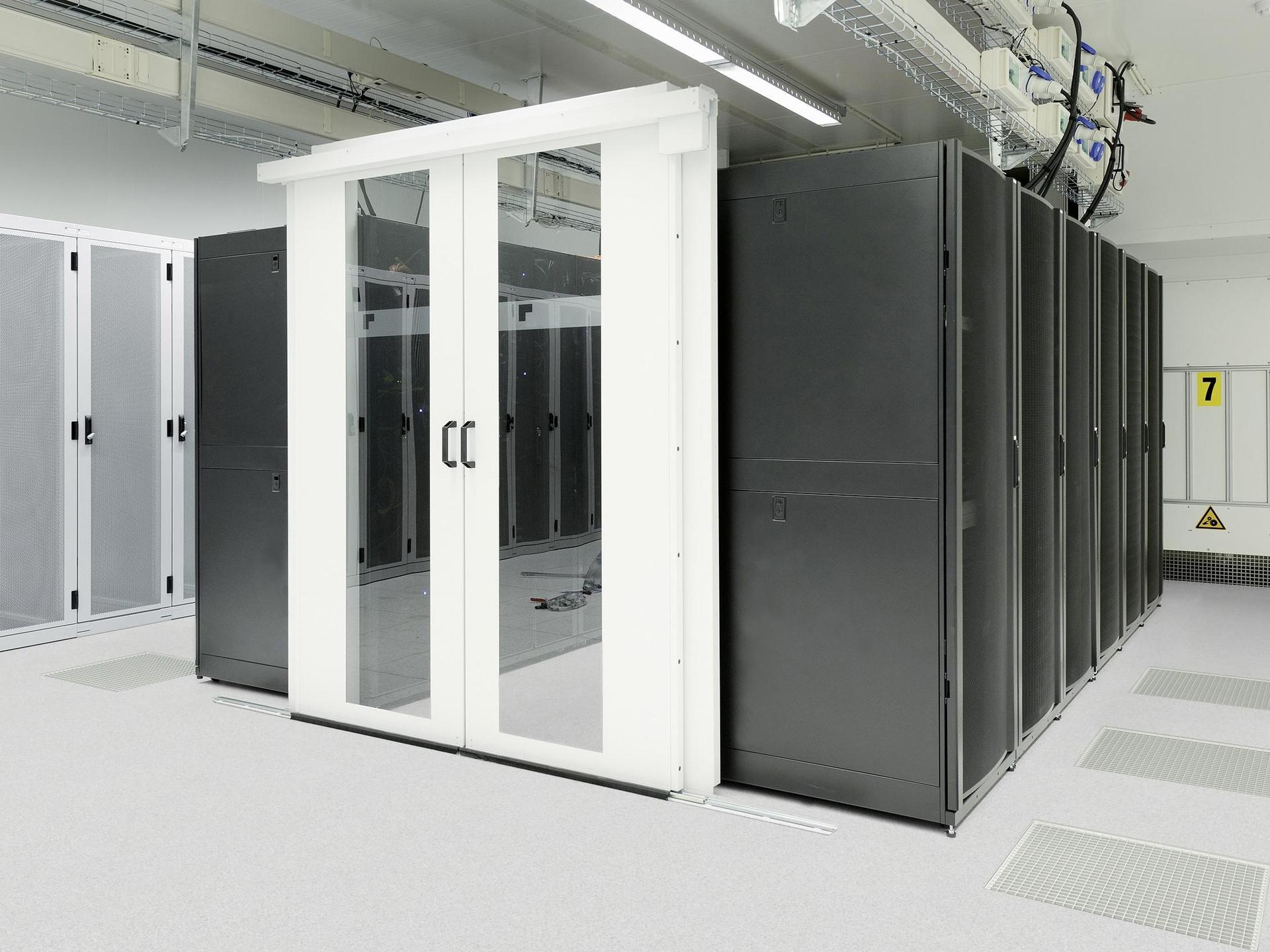
Static Control flooring manages electrostatic discharge (ESD) by safely dissipating charges through a defined resistance range, protecting sensitive electronics and improving safety in demanding environments. We supply materials to B2B clients — installation and earthing are performed by your appointed ESD‑qualified contractor and electrical team to the system manual and standards.
Assembly, test and burn‑in lines where charge events damage sensitive components.
Controlled spaces with contamination limits and strict discharge requirements.
Server halls and MERs where discharge can disrupt or destroy hardware.
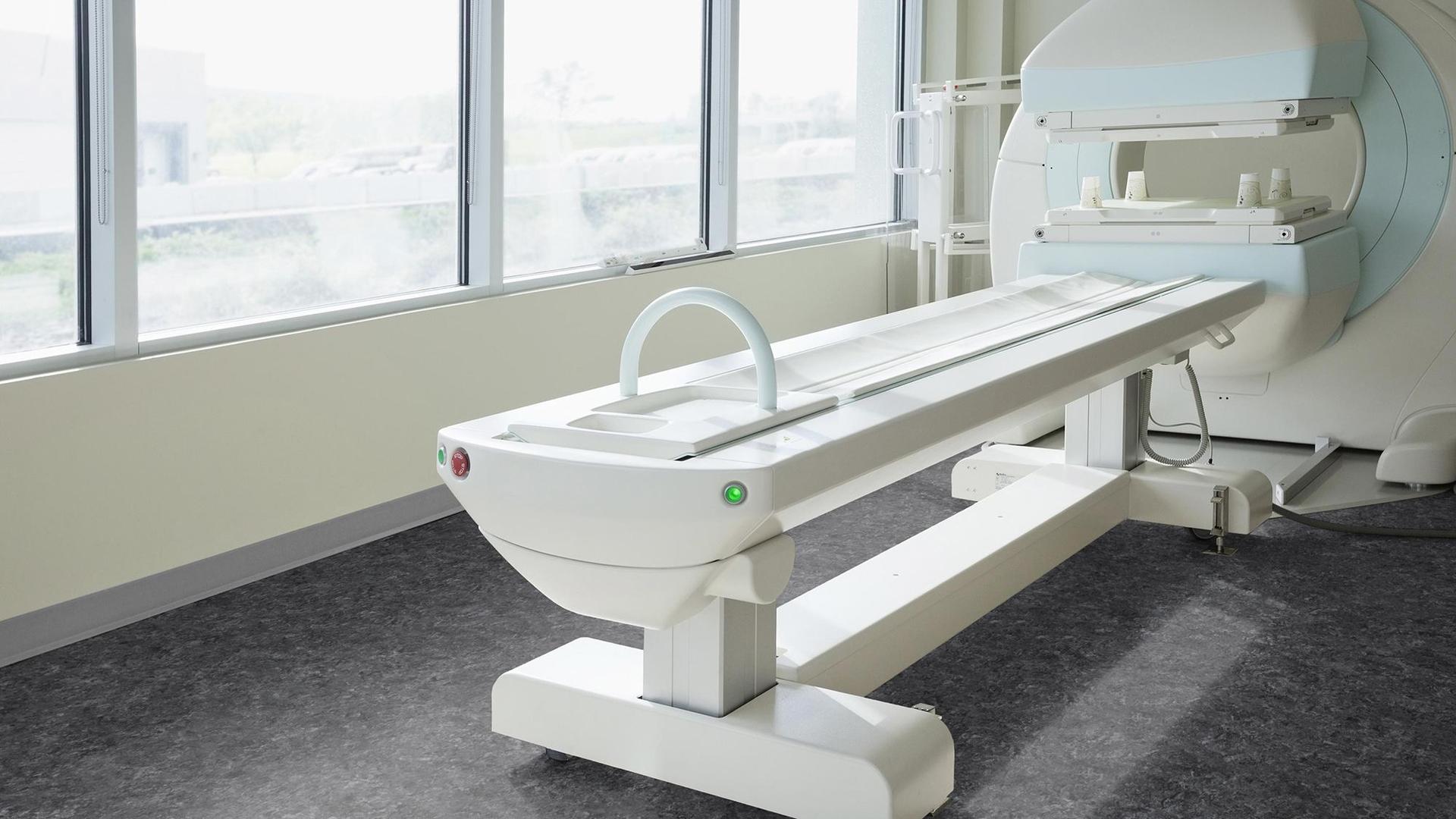
MRI/CT suites and imaging rooms with sensitive electronics and gases.
Surgical suites specifying conductive floors for equipment and safety.
Production areas handling flammable solvents and sensitive instrumentation.
Rule of thumb: pick Conductive for faster charge removal on electronics lines; pick Dissipative where balanced discharge is needed without spark risk.
Electronics assembly & test
Labs, pharmacies, healthcare
Server / IT & data spaces
Conductive (10⁴–10⁶ Ω)
Dissipative (10⁶–10⁹ Ω)
Dissipative
Faster charge removal
Balanced discharge without spark risk
Minimizes ESD while avoiding over‑conductivity
A compliant ESD install is traceable end to end — from subfloor prep to commissioning tests and as‑built documentation.
Prepare substrate to specification; verify moisture and flatness and record zone‑by‑zone.
Lay conductive adhesive and embed the copper tape grid per spacing guide to form a continuous earthing plane.
Install ESD tiles or sheet observing arrow/batch orientation to maintain continuity.
Create earthing connections at labelled points. Run commissioning tests — surface resistance, point‑to‑ground, body voltage — per standard. Handover as‑built drawings, resistance logs and maintenance guide.
Rule of thumb: only ESD/conductive systems deliver a defined, testable resistance range with true earthing. Anti‑static carpet and standard vinyl do not.
Resistance control
Earthing
Cleanrooms
Replacement
Best use
Defined (10⁴–10⁹ Ω)
Copper grid + earthing points
Suitable (product‑dependent)
Tiles enable spot swap
Electronics, labs, imaging
Static‑dissipative finishes only
Not typical
Rare
Tile swap
Offices with static concerns
No
No
No
Sheet patch / weld
General areas
Materials supply with optional professional installation. Or use your own contractor/installer.
Project tile sets / sheet rolls plus copper tape & earthing kits.
Stock vs made‑to‑order colours / formats.
Datasheets, DoP/DoC, resistance tests, EPD/LCA on request.
Tiles / sheet swatches.
Spec text, EPA zoning diagrams, maintenance guides.
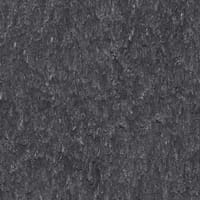
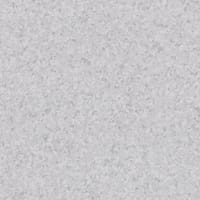
Dissipative iQ Granit SD & Primo SD, conductive iQ Toro SC, plus Linoleum SD — see the iQ Granit range guide.
Here you'll find answers to the most common questions about static control. If you don't see what you need, contact our team for project‑specific guidance.
Conductive (10⁴–10⁶ Ω) is common; confirm with your process ESD plan and instrumentation.
Via a copper tape grid connected to earthing points tied to building earth, tested at handover.
Use only ESD‑approved finishes; avoid insulating polishes that raise resistance beyond spec.
Tiles allow spot replacement; sheet reduces seams in clean zones — choose per layout and hygiene needs.
We focus on materials supply, but we also offer professional installation including ESD systems. Alternatively, your appointed ESD contractor handles installation and earthing.
Anti-static is a loose term for any floor that limits charge build-up — usually without a defined resistance or earthing. Static control flooring is the umbrella for floors with a defined, testable resistance to ground: static-dissipative (10⁶–10⁹ Ω) and conductive (10⁴–10⁶ Ω). Only dissipative or conductive systems installed with a copper tape grid and earthing points satisfy IEC 61340 and ANSI/ESD S20.20 requirements for an EPA (ESD Protected Area).
Trivaro supplies iQ Granit SD and Primo SD (static-dissipative homogeneous vinyl), iQ Toro SC (conductive) and Linoleum SD for projects specifying linoleum — each with the matching conductive adhesive, copper tape and earthing kits, resistance test reports and DoP documentation. See also the iQ Granit range guide.